
The History of Juneteenth in New York City | Juneteenth NYC
From early observances in Black communities to the modern parade and gala, explore how Juneteenth became one of New York City's most powerful annual celebrations.
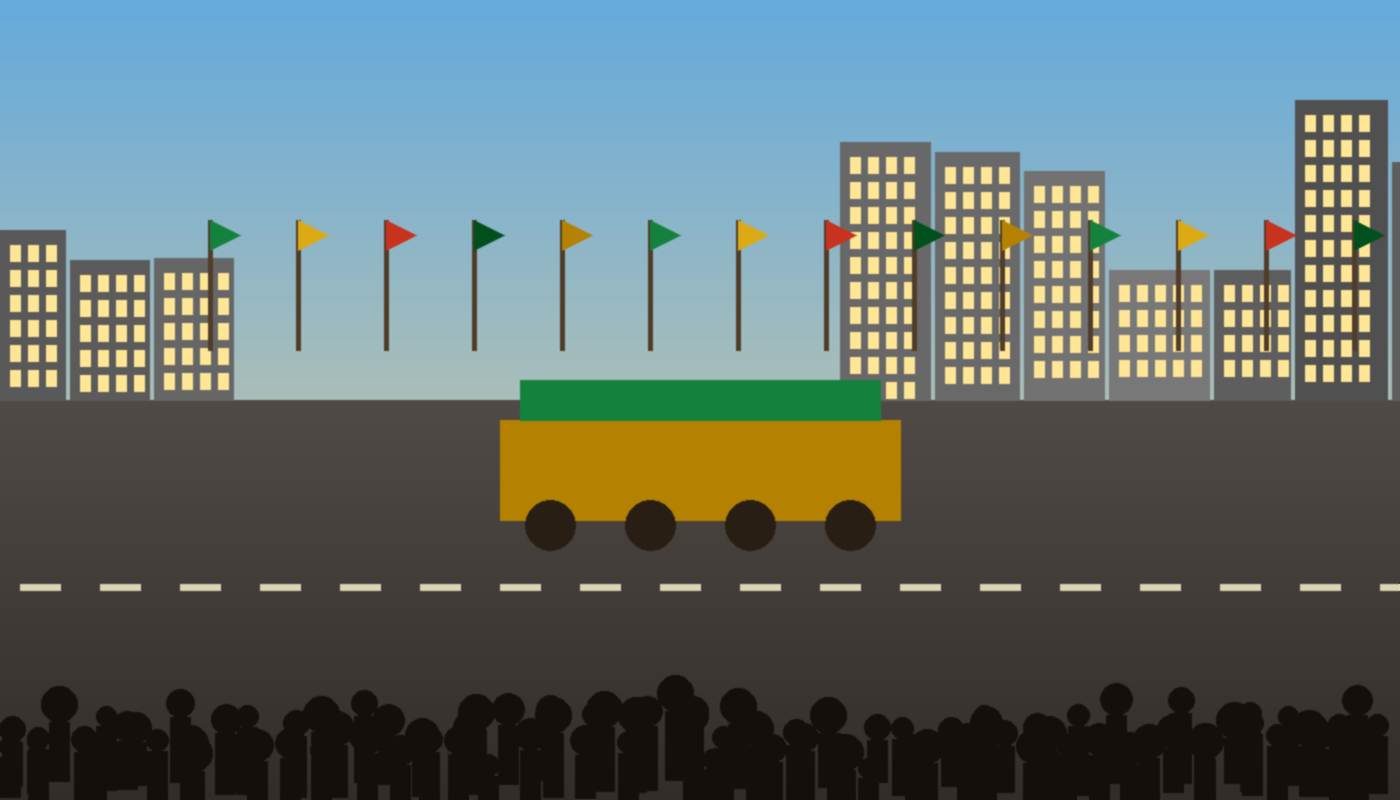
Long before Juneteenth became a federal holiday, New York City’s Black communities were gathering every June 19th to honor the day the last enslaved people in Galveston, Texas learned they were free. That was 1865. The reverberations of that moment have echoed through more than a century and a half of American life — and nowhere have those echoes been louder, more joyful, or more politically charged than in the five boroughs.
The Early Observances: Community Before Recognition
In the decades following the Civil War, Black New Yorkers — many of them migrants from the South who carried Juneteenth traditions northward during the Great Migration — began informal commemorations in churches, social halls, and neighborhood parks. Harlem, which by the 1920s had become the cultural capital of Black America, was a natural hub for these gatherings. Ministers preached. Choirs sang. Families spread food across picnic blankets in Marcus Garvey Park and along the banks of the Harlem River.
These weren’t official events. There were no permits, no parade routes, no press releases. They were something more essential: acts of collective memory carried forward by people who understood that freedom deferred was not freedom denied, but freedom requiring constant tending.
The Bedford-Stuyvesant neighborhood in Brooklyn hosted some of the earliest documented gatherings in the twentieth century, with community organizations like the Brooklyn chapter of the NAACP marking June 19th with readings of the Emancipation Proclamation and educational programs for children. Similar traditions took root in the South Bronx and in the Black enclaves of Queens that grew steadily through the mid-century decades.
The Civil Rights Era and a New Urgency
The 1960s transformed Juneteenth observances across the country, and New York was no exception. Against the backdrop of the Civil Rights Movement, Freedom Summer, and the March on Washington, June 19th took on renewed political urgency. Organizers in Harlem began hosting larger public commemorations that blended celebration with protest — linking the emancipation of 1865 to the unfinished work of equality in the present day.
Stokely Carmichael spoke at a Harlem Juneteenth gathering in the late 1960s. The Student Nonviolent Coordinating Committee (SNCC) organized events in community centers from the East Village to the Flatbush corridor in Brooklyn. These weren’t quiet remembrances — they were declarations.
Yet even as awareness grew, Juneteenth remained largely a grassroots affair in New York, celebrated intensely within Black communities but little known outside them. City government did not officially recognize the holiday. Corporate New York barely acknowledged it. That invisibility, frustrating as it was, also meant that the celebrations remained organic, community-controlled, and deeply personal.
From Local Tradition to City-Wide Movement
The 1990s brought a turning point. As Texas became the first state to make Juneteenth an official state holiday in 1980, and as advocacy organizations nationwide pushed for broader recognition, New York’s celebrations began to formalize. Community organizations in Harlem and Brooklyn began applying for permits, organizing proper parades, and reaching out to local elected officials.
The early 2000s saw the first coordinated citywide Juneteenth events — multi-venue programs that included art exhibitions, concerts, vendor markets, and educational panels. Cultural institutions like the Schomburg Center for Research in Black Culture in Harlem became anchor venues, lending institutional weight to what had always been a people’s holiday.
By 2010, Juneteenth events in New York regularly drew tens of thousands of participants. The parade through Central Harlem had become a beloved annual ritual, with drumlines, community organizations, elected officials, and cultural groups marching together down 125th Street and Malcolm X Boulevard. The vendor marketplaces that sprang up along the parade route became economic lifelines for Black-owned small businesses.
Federal Recognition and a New Chapter
When President Biden signed the Juneteenth National Independence Day Act into law on June 17, 2021, making June 19th a federal holiday, New York City’s celebrations entered an entirely new era. Overnight, Juneteenth became something that millions of New Yorkers who had never heard of it suddenly had a day off to explore. Office buildings flew flags. Public schools incorporated Juneteenth into curricula. Corporate sponsors — for better and worse — began reaching out to community organizers.
The challenge for longtime Juneteenth organizers in New York was to embrace the wider audience without losing the soul of the celebration. The communities that had kept this tradition alive for generations had a legitimate claim to shape how it grew. That negotiation — between expansion and authenticity — is ongoing, and it is, in its own way, a continuation of the freedom struggle itself.
Juneteenth NYC: Honoring the Legacy
The modern Juneteenth NYC celebration you can experience today is the product of that entire arc of history. Our parade carries the energy of every church hall gathering, every SNCC meeting, every picnic in Marcus Garvey Park that came before it. The Black Kings Dinner Gala honors excellence within the community in the tradition of generations of Black New Yorkers who celebrated their own in the face of a city that often refused to. The vendor marketplace keeps faith with the economic self-determination that has always been central to Black American survival and flourishing.
History is not a museum exhibit. It’s something you carry, something you practice, something you hand down. Every time you join the crowd on the parade route or submit a nomination for a community honoree, you are adding your verse to a very long poem.
To learn more about the national history of Juneteenth, visit the Wikipedia article on Juneteenth for a comprehensive overview. And then come join us in the streets of New York City, where history is still being made.