
Black-Owned Businesses Spotlight :: Juneteenth NYC Vendor Marketplace
Meet the Black-owned businesses powering the Juneteenth NYC vendor marketplace. Learn why shopping with intention matters and what economic impact looks like up close.
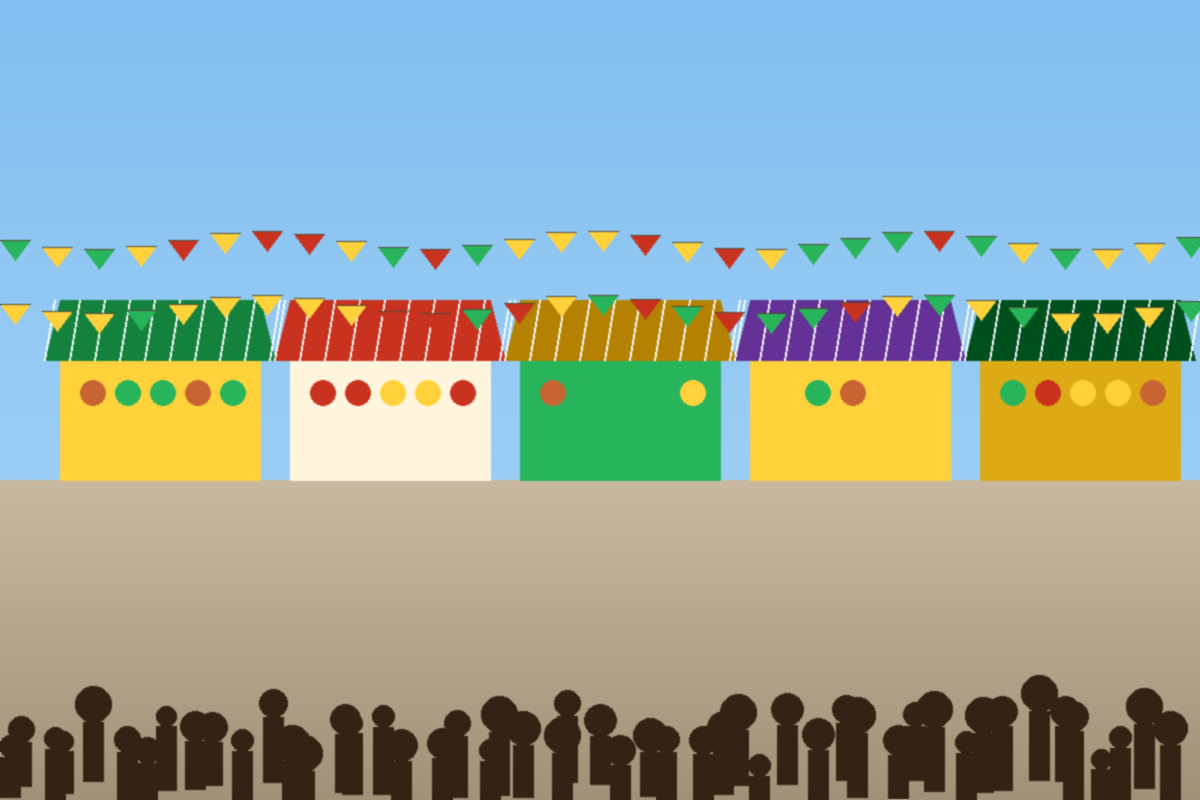
Walk through the Juneteenth NYC vendor marketplace on any given year and you will encounter something that doesn’t exist anywhere else in New York City quite like this: a concentrated, intentional gathering of Black entrepreneurship in full expression. Canopies stretch down the block. The smell of shea butter mingles with jerk seasoning. A woman with locs down to her waist holds up a painting of a sunlit Harlem rooftop. A man in a crisp dashiki explains the sourcing behind his herbal tea blends. This is not a craft fair. It is an economic ecosystem in miniature — and every purchase you make within it sends ripples outward.
Who Shows Up and What They Bring
The vendor marketplace at Juneteenth NYC has historically featured between 40 and 80 vendors per event, with the mix shifting slightly year to year. What remains consistent is the quality and diversity of what’s on offer.
Food and Beverage Vendors bring some of the city’s most inventive takes on diaspora cuisine — Afro-Caribbean fusion, West African staples prepared fresh on-site, Southern-style comfort food updated for modern palates, and cold-pressed juices drawing on traditional herbal medicine traditions. Many of these vendors operate out of commissary kitchens or pop-up concepts that rarely get retail visibility. The marketplace is often where New Yorkers discover what becomes a favorite neighborhood restaurant or catering company two years later.
Beauty, Wellness, and Skincare vendors occupy a significant portion of the marketplace and for good reason: Black-owned beauty brands have led some of the most innovative formulation work in the industry over the past decade, with deep roots in both traditional African botanical knowledge and cutting-edge cosmetic chemistry. You’ll find small-batch haircare, handmade soaps, essential oil blends, handcrafted accessories, and more.
Visual Art and Prints vendors bring originals and reproductions that range from politically charged street art aesthetics to fine art portraits, abstract work, and illustration. Purchasing directly from the artist — which the marketplace format allows — means the entirety of the sale price supports the creator, not a gallery or platform taking a cut.
Apparel and Accessories vendors include clothing designers, jewelry makers, hat crafters, and bag designers. Much of the work draws on African textile traditions, the Afrofuturist aesthetic movement, or reinterpretations of American Black style history. These are not mass-produced pieces. Many are made in limited runs or one of a kind.
Books, Publications, and Educational Materials — one of the most underappreciated vendor categories. Independent Black publishers, self-published authors, and community educators bring titles covering history, fiction, children’s education, political theory, spirituality, and more. This is where you find the books your school library didn’t have.
Why It Matters: The Economics of the Marketplace
Black-owned businesses in the United States operate at a structural disadvantage. Studies consistently show that Black entrepreneurs have less access to startup capital, face higher interest rates on business loans, receive less favorable treatment in commercial lending, and operate in communities where decades of disinvestment have eroded consumer purchasing power.
The Juneteenth NYC vendor marketplace exists, in part, as a direct response to those structural barriers. By aggregating demand — bringing thousands of consumers to one place and explicitly orienting those consumers toward Black-owned businesses — the marketplace creates an economic event that individual vendors could not manufacture on their own. It is economic solidarity made operational.
The ripple effects are real. Vendors who participate report that Juneteenth NYC is often among their highest-revenue events of the year. Some have used the exposure to secure wholesale contracts, catering deals, retail partnerships, and social media followings that sustained their businesses long after the event tents came down. For newer businesses, the marketplace serves as a low-risk testing ground — a chance to gauge product-market fit in front of a large, engaged, supportive audience.
How to Get the Most Out of the Marketplace
Come with a budget and plan to spend it. Bring cash — many vendors are cash-preferred and ATM lines get long. Plan to spend at least two hours in the marketplace; rushing through it misses the point. Talk to vendors about their businesses, their sourcing, their stories. Follow them on social media before you leave the booth. Write down the names of vendors whose products you loved but couldn’t buy on the day. Most of them have online shops.
You can browse the full vendor listings on the 2024 vendor page and the 2023 vendor page. If you’re a Black-owned business interested in participating, the vendor application form is where to start.
Frequently Asked Questions
How do I know which vendors are Black-owned? All vendors at the Juneteenth NYC marketplace are verified Black-owned businesses. The application and vetting process ensures this. If you have questions about a specific vendor, event staff can assist you.
Can I pay by card at vendor booths? Many vendors accept card payments via Square or other mobile processors, but not all. We strongly recommend bringing cash to ensure you can purchase from any vendor you encounter. ATMs are available near the venue but tend to have long lines during peak hours.
Are there food vendors in the marketplace? Yes. The marketplace includes both product vendors and prepared food vendors. There are typically options covering a range of dietary needs, including vegan, gluten-free, and halal offerings. Selections vary year to year based on the vendor lineup.
Can I request a specific vendor to attend? You can make suggestions through the event contact form. While Juneteenth NYC cannot guarantee participation by any specific vendor, community input shapes the curation of each year’s marketplace.
What if a vendor runs out of a product I want? Many vendors take contact information or social handles at their booth for follow-up orders. Ask the vendor directly — most are happy to arrange post-event sales or provide their website or shop information.
I’m a vendor and I missed the application window. What should I do? Check the vendor application form for waitlist or future event opportunities. Signing up early for the next cycle is the best way to secure a spot.